Why was the Suzuki Jimny discontinued in the UK?
The Jimny was not withdrawn because it failed. It was withdrawn because it succeeded at the wrong moment in regulatory history.
Fleet-average CO2
European and UK manufacturers are not judged on individual models but on the average emissions of everything they sell. Exceed the target and the fines are severe, calculated per gram over, per vehicle sold.
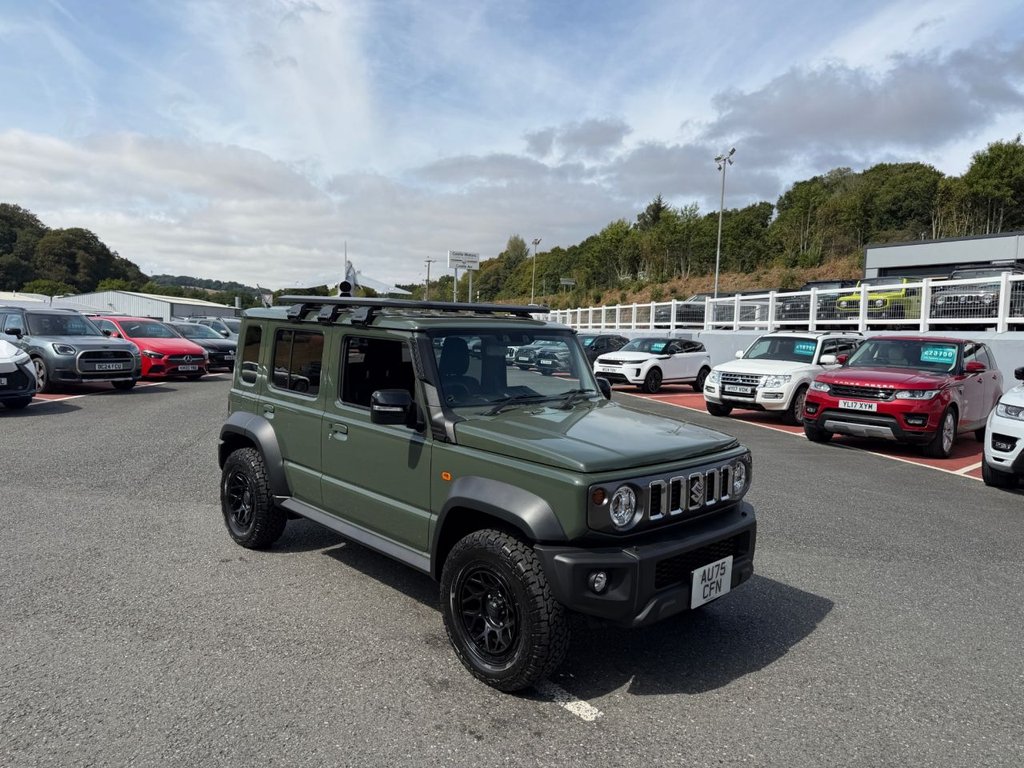
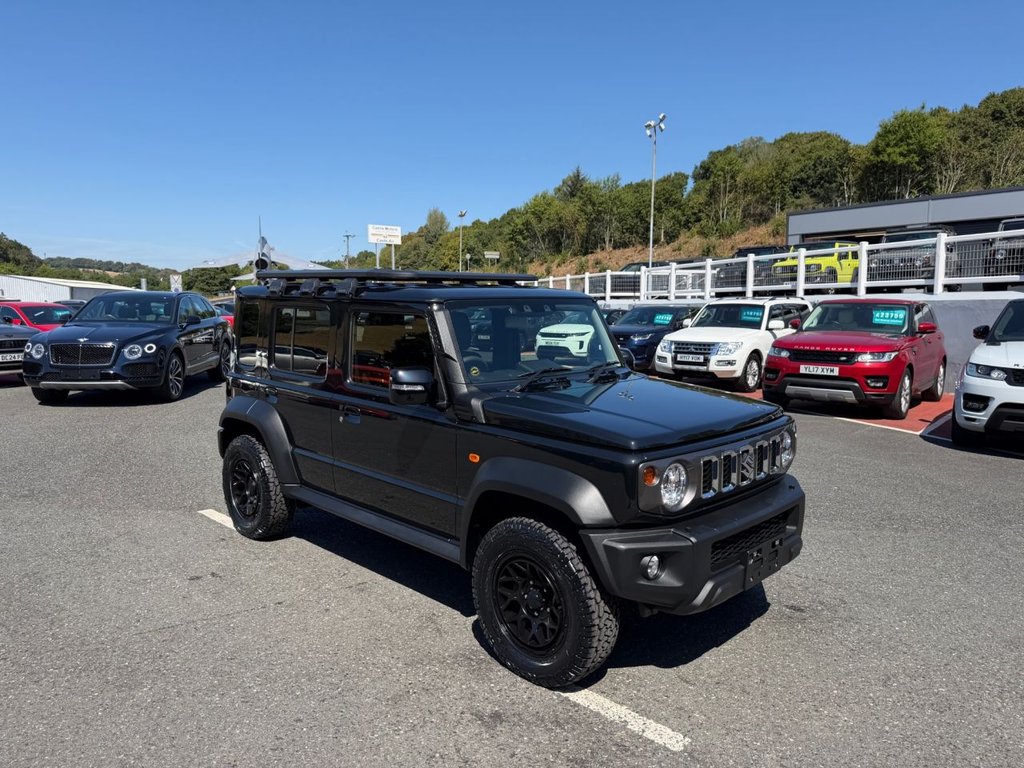
The Jimny is light, but it is also boxy, permanently four-wheel-drive and powered by a naturally aspirated petrol engine. Its aerodynamics are, politely, historic. Its CO2 figure sits well above what a small car of its footprint would normally produce.
Why volume made it worse
Here is the counter-intuitive part: the Jimny’s popularity was the problem. A high-CO2 car sold in tiny numbers barely moves a fleet average. One that sells as fast as it can be built drags the whole average upward.
Suzuki is a small manufacturer in European terms, without a large range of low-emission models to offset against. It had no room to carry the Jimny.
Why official passenger sales ended
The fleet-average calculation made the Jimny increasingly difficult to retain in Suzuki’s UK passenger range. The later ZEV mandate further increased the need for manufacturers to prioritise lower-emission and zero-emission models.
What it means for buyers
There is no announced route back to the official UK passenger range. Meanwhile the car remains in production for markets where it is still distributed.
That combination — continued production, no UK supply, undiminished demand — is exactly why imports have become the main route to a Jimny, and why used prices have behaved so unusually.